
Ganghwa Seonwonsa Temple Site
Ganghwa Seonwonsa Temple Site: This Saturday (Sat, Oct 31) looks quiet (daily crowd index 42); the quietest day in the next 30 days is Tue, Nov 3; weekday average 23, weekend average 43; the quietest day of the week is Thursday; opening hours: Open all day (KST).
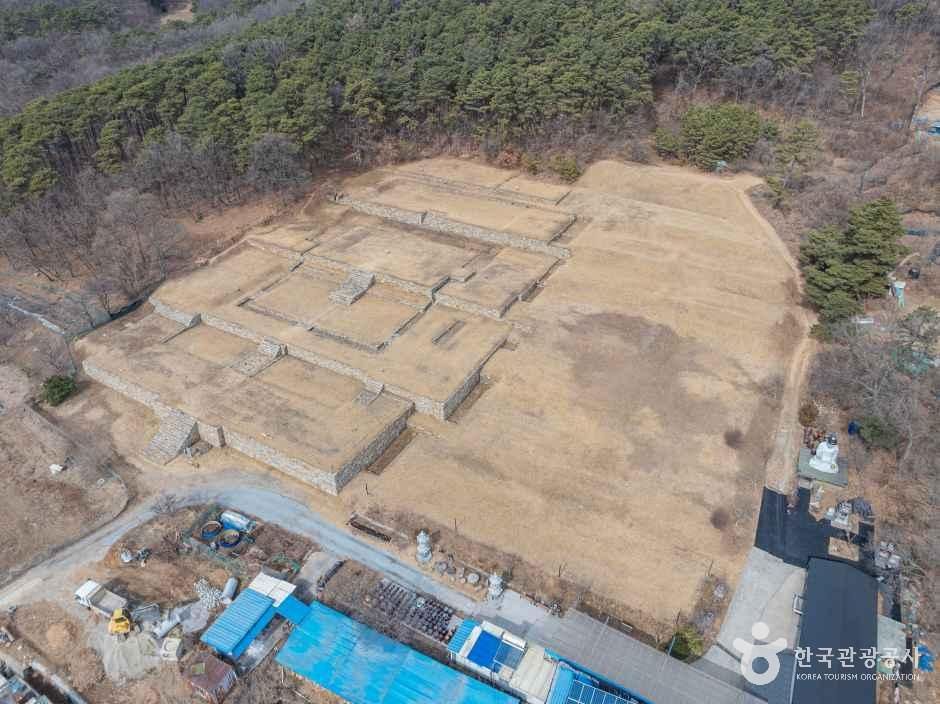
Ganghwa Seonwonsa Temple Site was first discovered in 1976 during a surface examination around Ganghwado Island undertaken by the Ganghwado Island Academic Research Team of Dongguk University. The site was designated as Historic Site No. 259 in 1977. Seonwonsa Temple was built by General Choi Wu in 1245 (the 32nd year of King Gojong’s reign during the Goryeo dynasty), which was right after the transfer of the capital to Ganghwado during resistance against the Mongolian invasion.
The temple was meant to be a spiritual mainstay in fighting against Mongolia. It used to be one of the two largest temples in Korea along with Songgwangsa Temple. However, the temple was completely destroyed during the early Joseon era, leaving only the site itself. The famous wood blocks of Palman Daejanggyeong (the Tripitaka Koreana), currently housed in Haeinsa Temple at Hapcheon, are said to have been originally stored in Seonwonsa Temple. It is believed that the carved wood blocks were taken from Seonwonsa to Heungcheonsa Temple during the Joseon era and again moved to Haeinsa Temple during the reign of Sejo.
Located on a mountain slope, the presumed location of the building site extends 250 meters from south to north and 170 meters from east to west.
- Type
- Historic site
- Area
- Ganghwa-gun, Incheon
- Address
- 222, Seonwonsaji-ro, Ganghwa-gun, Incheon
- Opening hours
- Open all day (KST)
- Sunrise / sunset
- Sat, Oct 31: sunrise 06:57 · sunset 17:38
- Phone
- • 1330 Travel Hotline: +82-2-1330
(Korean, English, Japanese, Chinese)
• For more info: +82-32-933-8234 - Popularity
- Popular
Ganghwa Seonwonsa Temple Site: least crowded days in the next 30 days
This is the daily crowd index forecast by the Korea Tourism Organization from mobile-network data. 100 = this place's busiest period, so 50 means about half as busy as its peak. It covers the whole day — even busy days can be quiet early in the morning or in the evening.
| Sun | Mon | Tue | Wed | Thu | Fri | Sat |
|---|---|---|---|---|---|---|
| 10/2820 | 2921 | 3036 | 3142 | |||
| 11/139 | 219 | 316 | 420 | 520 | 626 | 749 |
| 841 | 927 | 1028 | 1121 | 1219 | 1335 | 1452 |
| 1542 | 1623 | 1724 | 1820 | 1918 | 2028 | 2140 |
| 2241 | 2326 | 2419 | 2521 | 2618 |
Quiet (under 55) Moderate Busy (80+) Closed · red dates are Sundays and public holidays
| Quieter weekends & holidays | Sun, Nov 1 39 · Sun, Nov 8 41 · Sat, Nov 21 40 |
|---|---|
| Quietest days | Tue, Nov 3 16 · Thu, Nov 19 18 · Thu, Nov 26 18 |
| Busiest days | Sat, Oct 31 42 · Sat, Nov 7 49 · Sat, Nov 14 52 |
| Weekday / weekend average | Weekdays 23 · weekends 43 |
| Average by day of week | Mon 24 · Tue 22 · Wed 20 · Thu 19 · Fri 31 · Sat 46 · Sun 41 (bold = quietest day) |
Festivals & events nearby
- Gimpo Haebyeongdae Munhwachukje In Daemyeonghang 김포 해병대 문화축제 in 대명항 Sat, Nov 7 · 10 km
FAQ
- Is there parking at Ganghwa Seonwonsa Temple Site?
- Yes. On weekends and holidays the car park fills up early, so arrive in the morning.
- What are the opening hours of Ganghwa Seonwonsa Temple Site?
- Open all day (KST). Hours can change by season or for events, so check before you go. Times are Korea time (KST).
- Which day is Ganghwa Seonwonsa Temple Site least crowded?
- Based on the Korea Tourism Organization forecast for the next 30 days, Thursday is the quietest day of the week (average 19) and Saturday the busiest (average 46). The single quietest day is Tue, Nov 3.
- What time should I visit Ganghwa Seonwonsa Temple Site to avoid the crowds?
- Tourist spots are usually busiest between 11:00 and 14:00. Arriving early in the morning or late in the afternoon is much calmer. The Noonchi app shows a score for every departure time from your location.
- Will Ganghwa Seonwonsa Temple Site be crowded this weekend?
- This Saturday (Sat, Oct 31) is forecast to be quiet (daily crowd index 42; 100 = busiest period). Even on busy days, early morning and late afternoon are calmer.
Nearby attractions
- Doraemimaeul 도래미마을 1.5 km · Farm & fishing village experience
- Cheoljongoega 철종외가 2.0 km · Historic site
- Yongjinjin 용진진 2.2 km · Historic site
- Chungryeolsa(Ganghwa) 충렬사(강화) 2.4 km · Historic site
- Ganghwapungmulsijang 강화풍물시장 2.5 km · Traditional market
- Ganghwajeonjeokji 강화전적지 2.6 km · Historic site
- Ganghwajeonjaengbakmulgwan 강화전쟁박물관 2.6 km · Museum & gallery
- Ganghwamunhwawon 강화문화원 2.7 km · Hands-on learning